

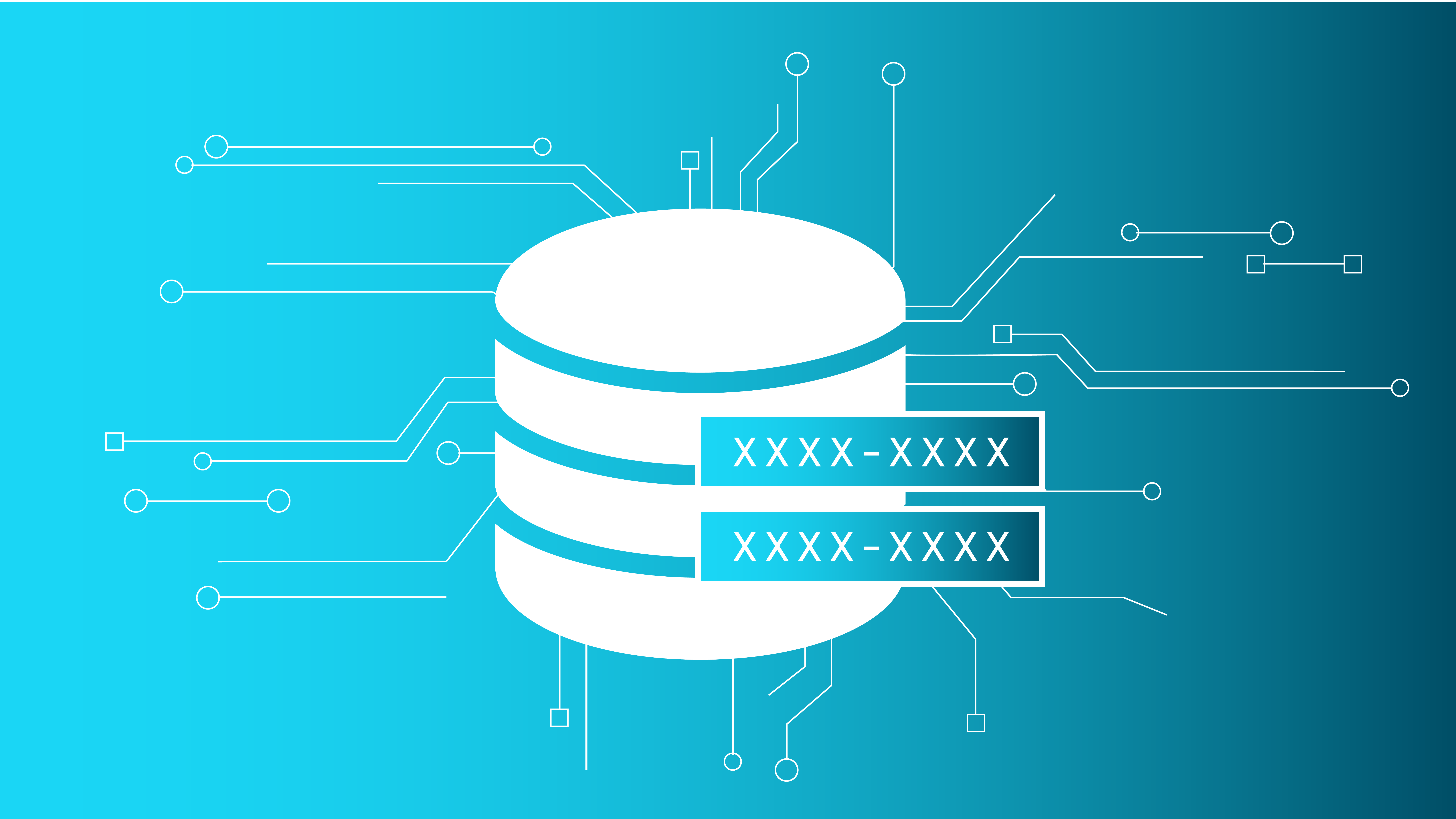
What is Data Masking?
Data masking, also known as data obfuscation or data anonymization, is a method for protecting sensitive information in non-production environments. It involves concealing original data with modified content (characters or other data), but structurally similar to the original data. This is essential for protecting the data subject's privacy and data security in general.
Why Mask Data in Parquet Files?
Regulatory Compliance: Many industries are bound by regulations that require the protection of sensitive data. For instance, the General Data Protection Regulation (GDPR) mandates the protection of personal data for EU citizens.
Data Security: Even if not bound by regulations, businesses have a responsibility to protect sensitive information from breaches and unauthorized access.
Development and Testing: Developers and testers often need access to data that mirrors production environments. Masked data allows them to perform their roles without exposing sensitive information.
How to Mask Data in Parquet Files
Schema Analysis: Before masking, understand the schema of your Parquet files. Identify which columns contain sensitive data that needs to be masked.
Choose a Masking Technique: Random substitution, Shuffling, Generalization, Redaction
Use Data Processing Frameworks: Tools like Apache Spark can read Parquet files, apply masking transformations, and then write the data back to Parquet format.
Validation: After masking, it's crucial to validate the results. Ensure that the masking process hasn't introduced inconsistencies or issues in the data.
Challenges and Considerations
Performance: Masking large Parquet files can be resource-intensive. Ensure you have adequate compute and memory resources.
Data Integrity: Some masking techniques can introduce data integrity issues, especially if relationships exist between columns.
Re-identification Risk: Even after masking, there's a risk that individuals can be re-identified using other pieces of data.
Conclusion
Data masking is a critical process for ensuring data privacy and compliance in today's data-driven world. By following best practices and being aware of potential challenges, businesses can ensure that their data remains secure while still being useful for development, testing, and analysis.